Wheel Structure Analysis in Smartphone Roulette Applications: Simulated Versus Live Dealer Approaches
Sage Schröder · Jul 2, 2026

Wheel Structure Analysis in Smartphone Roulette Applications: Simulated Versus Live Dealer Approaches
Smartphone applications have introduced structured methods for users to examine roulette wheel configurations through controlled environments, and these tools separate European single-zero designs from American double-zero variants with measurable precision. Developers integrate both simulated random number generator sessions and live dealer feeds into the same platforms so that structural distinctions become visible without requiring physical casino access.
Core Differences in Wheel Layouts
European wheels contain 37 pockets including one zero while American versions add a second zero for a total of 38 pockets, and this addition shifts the house edge from 2.7 percent to 5.26 percent according to standards maintained by the Nevada Gaming Control Board. Smartphone apps replicate these layouts exactly in digital form, allowing side-by-side comparisons where users observe pocket spacing, number sequencing, and zero placement during repeated spins. Observers note that the visual distinction appears clearest when an app renders the wheel at full resolution and permits slow-motion playback of ball trajectories.
Simulated Sessions as Initial Diagnostic Tools
Practice modes built on certified random number generators let users test wheel behavior across thousands of spins without financial exposure, and these sessions highlight statistical patterns unique to each structure. Data from the University of Nevada, Reno gaming laboratory shows that extended simulation runs reveal the expected frequency of zero outcomes within narrow variance bands, giving users concrete reference points for later verification. Applications often include toggle options that switch between single-zero and double-zero wheels mid-session, so direct before-and-after comparisons occur within the same interface.
Users frequently run parallel simulations on two separate tables inside one application, one configured for European rules and another for American rules, and the resulting outcome logs display measurable differences in return-to-player percentages over identical spin counts. This side-by-side method reduces reliance on memory and lets structural traits emerge through repeated observation rather than theoretical explanation.
Live Dealer Sessions for Real-Time Confirmation
Dealer-led streams introduce physical wheel mechanics captured by multiple camera angles, and these feeds allow verification that the digital model matches the tangible layout in use at the studio. Applications certified under the Malta Gaming Authority stream wheels that carry independent testing seals, ensuring the pocket count and arrangement align with declared specifications. During live play the ball release timing, wheel rotation speed, and deceleration patterns become observable, features that simulation alone cannot fully replicate.
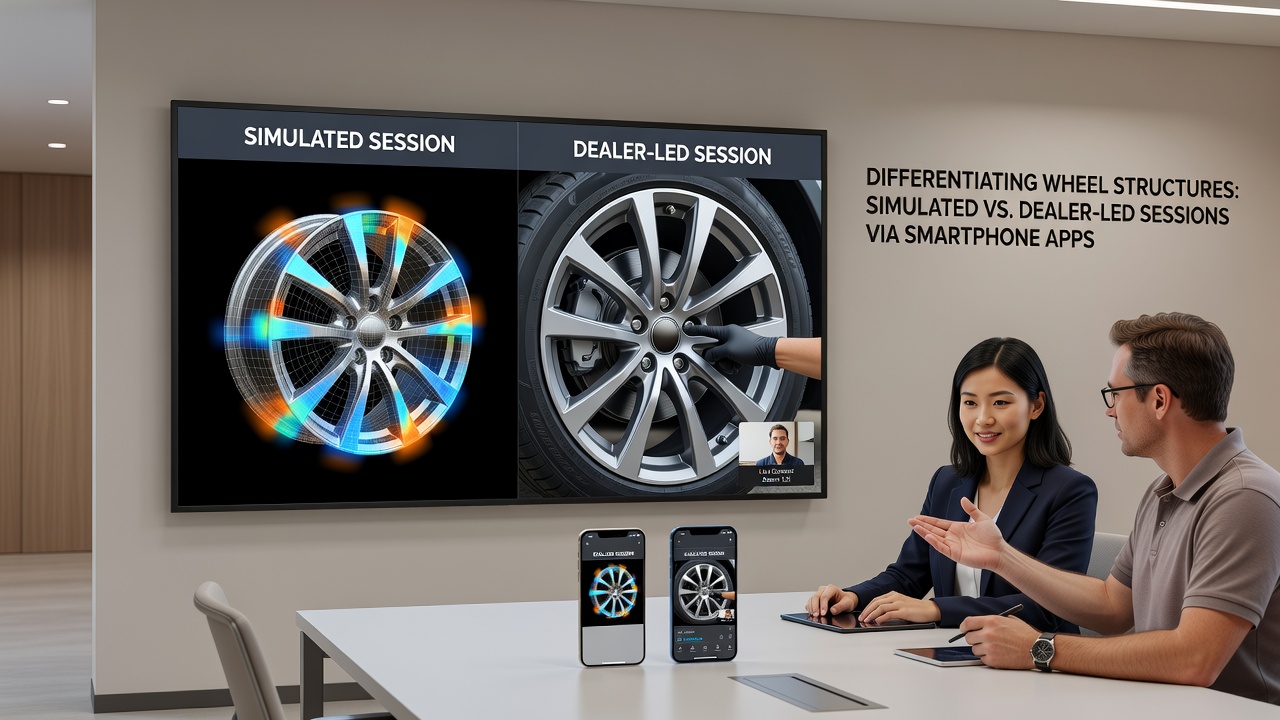
Many platforms embed an overlay that labels zero positions in real time while the dealer spins, and this annotation layer helps users confirm whether they are viewing a 37-pocket or 38-pocket configuration without pausing the stream. Live sessions also expose minor manufacturing tolerances such as slight pocket depth variations that certified simulators approximate but do not always render at identical granularity.
Integrated App Features Supporting Differentiation
Leading applications released updates in July 2026 that added wheel-type filters and session history exports, allowing users to tag individual spins by configuration and export data for external analysis. These tools integrate with third-party reporting suites so that long-term outcome records remain portable across devices. The same updates introduced split-screen viewing that places a simulated wheel beside the live feed, enabling immediate visual cross-checking during active play.
Developers have also incorporated audio cues that differ between wheel types, with distinct sound profiles assigned to single-zero versus double-zero landings, and these auditory markers assist users who prefer not to keep constant visual focus on the wheel graphic. Industry reports from the European Gaming and Betting Association indicate that such multimodal feedback increases user accuracy when identifying wheel structures during mixed sessions.
Practical Workflow for Users
A typical sequence begins with a short simulated block on each wheel type, followed by review of frequency charts generated inside the app, and concludes with a transition to a live dealer table of matching configuration. Users who follow this sequence report fewer mismatches between expected and observed outcomes once real-money play begins. Applications that store wheel metadata alongside each recorded spin make it straightforward to audit past sessions and isolate any discrepancies introduced by network latency or interface scaling.
Conclusion
Smartphone applications now combine simulation precision with live verification streams to create reliable pathways for distinguishing roulette wheel structures. By presenting both random number generator models and physical dealer feeds within unified interfaces, these platforms supply the data layers needed for accurate identification without external equipment. Continued certification standards from multiple regulatory bodies ensure that the structural details displayed remain consistent with physical wheels in regulated studios.