Regulatory Variations Across Jurisdictions Drive Differences in Roulette App Capabilities
Devon Schmitz · Jun 1, 2026
Regulatory Variations Across Jurisdictions Drive Differences in Roulette App Capabilities
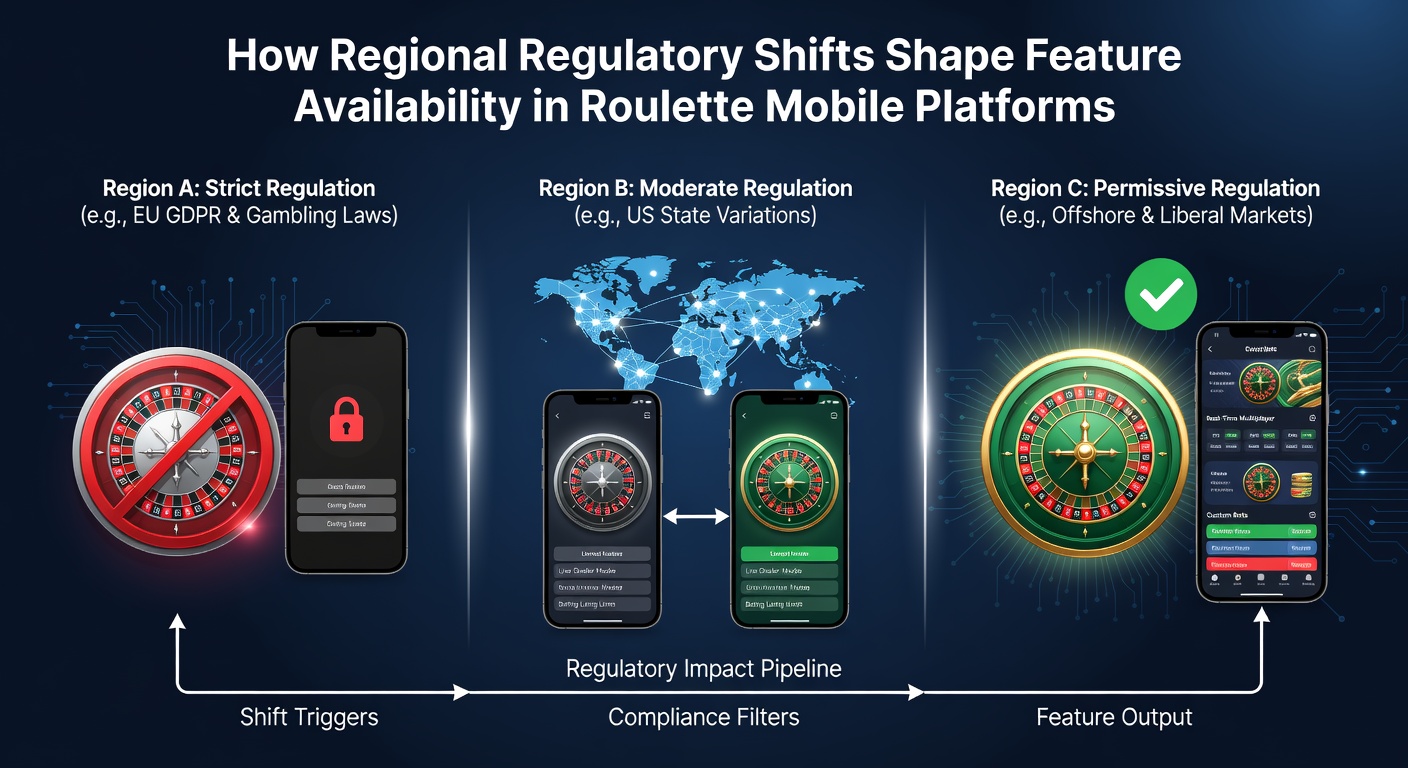
Regional regulatory frameworks determine which features appear in roulette mobile platforms, and operators adjust their offerings accordingly to maintain compliance while serving users in specific markets. Data from multiple oversight bodies shows that rules on responsible gaming tools, payment integrations, and interface elements vary sharply between North America, Europe, Asia-Pacific, and other areas, which in turn limits or enables functions such as autoplay sequences, live dealer streams, and customized betting interfaces.
North American State-Level Rules and Feature Restrictions
Individual states in the United States set distinct standards that directly affect roulette app design, with New Jersey's Division of Gaming Enforcement requiring robust age-verification layers and session-time reminders that often appear as persistent overlays during play. These mandates reduce the availability of uninterrupted autoplay options in apps licensed for that market, whereas Nevada permits more flexible session controls provided operators integrate real-time reporting to central monitoring systems. Observers note that developers therefore release region-specific builds, stripping certain gesture-based bet placement tools from versions distributed in stricter jurisdictions to avoid triggering compliance violations.
European and Asia-Pacific Policy Impacts
Across the European Union, the Malta Gaming Authority enforces transparency requirements around random number generator certification that compel platforms to display detailed payout percentages within the app interface itself, a feature less common in regions without similar mandates. In contrast, several Australian states under the oversight of state-based regulators limit the use of animated wheel spins and sound effects during certain hours to align with harm-minimization guidelines. Research from the Canadian Centre on Substance Use and Addiction indicates that provinces such as Ontario impose data-sharing obligations on operators, which leads to the inclusion of voluntary deposit-limit calculators as standard components in roulette mobile applications available there. Those who've examined rollout timelines find that these requirements frequently delay the launch of advanced hybrid features, such as combined virtual and live-dealer modes, until certification processes conclude.
Shifts Anticipated Around Mid-2026
By June 2026, several jurisdictions plan updates to digital gaming codes that will further differentiate feature sets. Singapore's regulatory body has signaled forthcoming rules on third-party payment processor integrations, which may restrict in-app wallet functionalities currently present in roulette platforms serving that territory. Meanwhile, emerging frameworks in parts of Latin America emphasize accessibility standards that could expand the presence of voice-command betting options in compliant apps. Industry reports show operators already preparing modular codebases so that features can be toggled on or off based on the user's detected location and the prevailing ruleset.
Technical Adaptations by Platform Providers
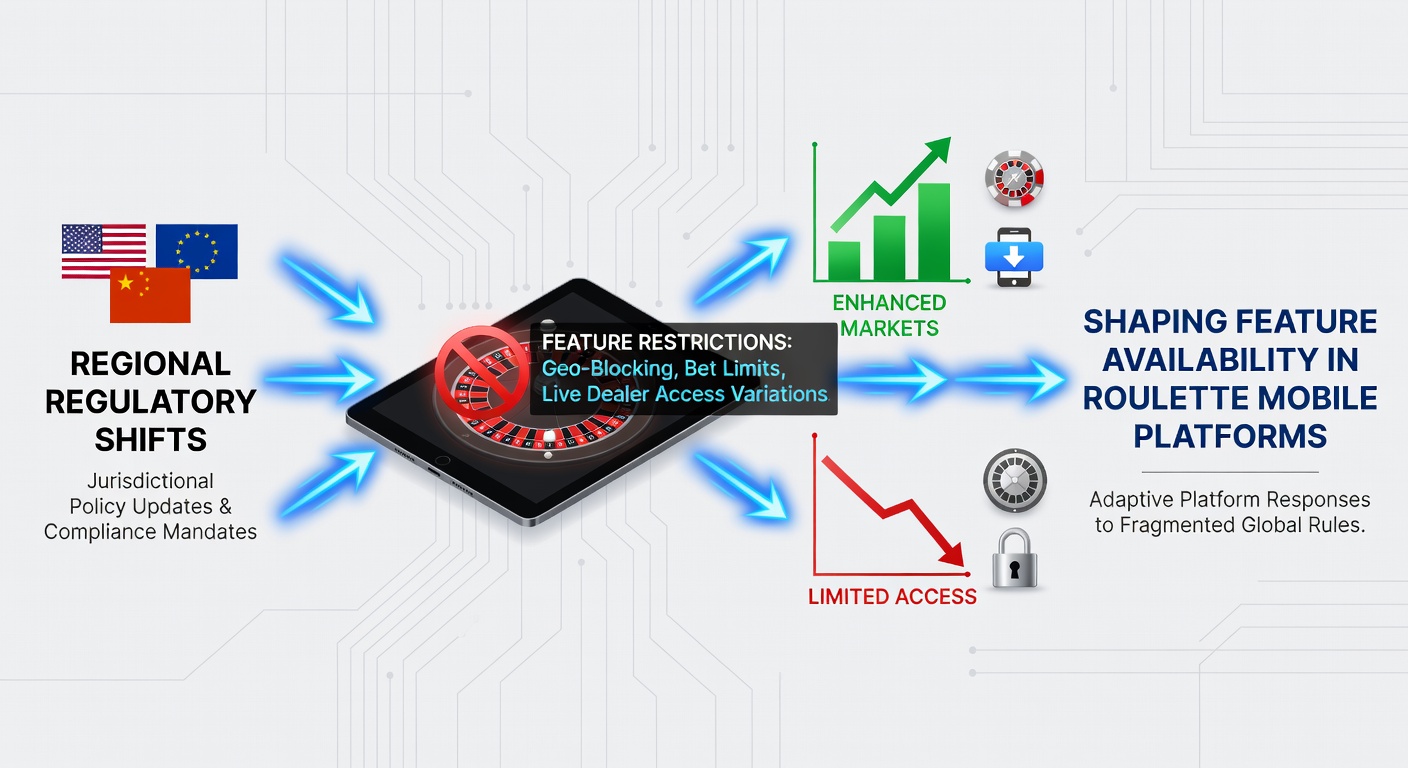
Developers respond to these regulatory mosaics by building configurable engines that activate or deactivate elements like gyroscopic tilt controls and multi-table viewing windows according to local statutes. A study published through the University of Nevada, Reno gaming research program demonstrates that apps targeting multiple markets maintain separate compliance modules for bonus round triggers and chat functions during live dealer sessions. This modular approach allows the same core application to appear in app stores worldwide while presenting only the permitted subset of tools to each user base. Those tracking deployment patterns observe that such engineering reduces update cycles yet increases testing overhead for quality assurance teams.
Payment and Verification Feature Variations
Payment method availability also fluctuates under regional directives. In markets guided by the New Zealand Department of Internal Affairs, apps must incorporate specific bank-transfer confirmation steps that lengthen transaction flows compared with versions offered elsewhere. Canadian provinces require integration with national self-exclusion databases, resulting in automated cross-checks that surface as additional screens before roulette sessions begin. These procedural layers illustrate how compliance shapes not only visual and interactive elements but also backend processes that users encounter during account setup and ongoing play.
Conclusion
Regional regulatory shifts continue to produce distinct roulette mobile platform configurations as authorities refine their approaches to consumer protection and market oversight. Operators and developers maintain adaptive systems that align feature availability with each jurisdiction's current requirements, ensuring distribution remains lawful while meeting the technical expectations of diverse user groups. Ongoing policy developments through 2026 will likely extend these patterns, prompting further refinements in how applications present roulette experiences across borders.