French Call Bets Decoded: Sector Strategies Elevating Mobile Roulette Play
Hugo Keller · Apr 18, 2026
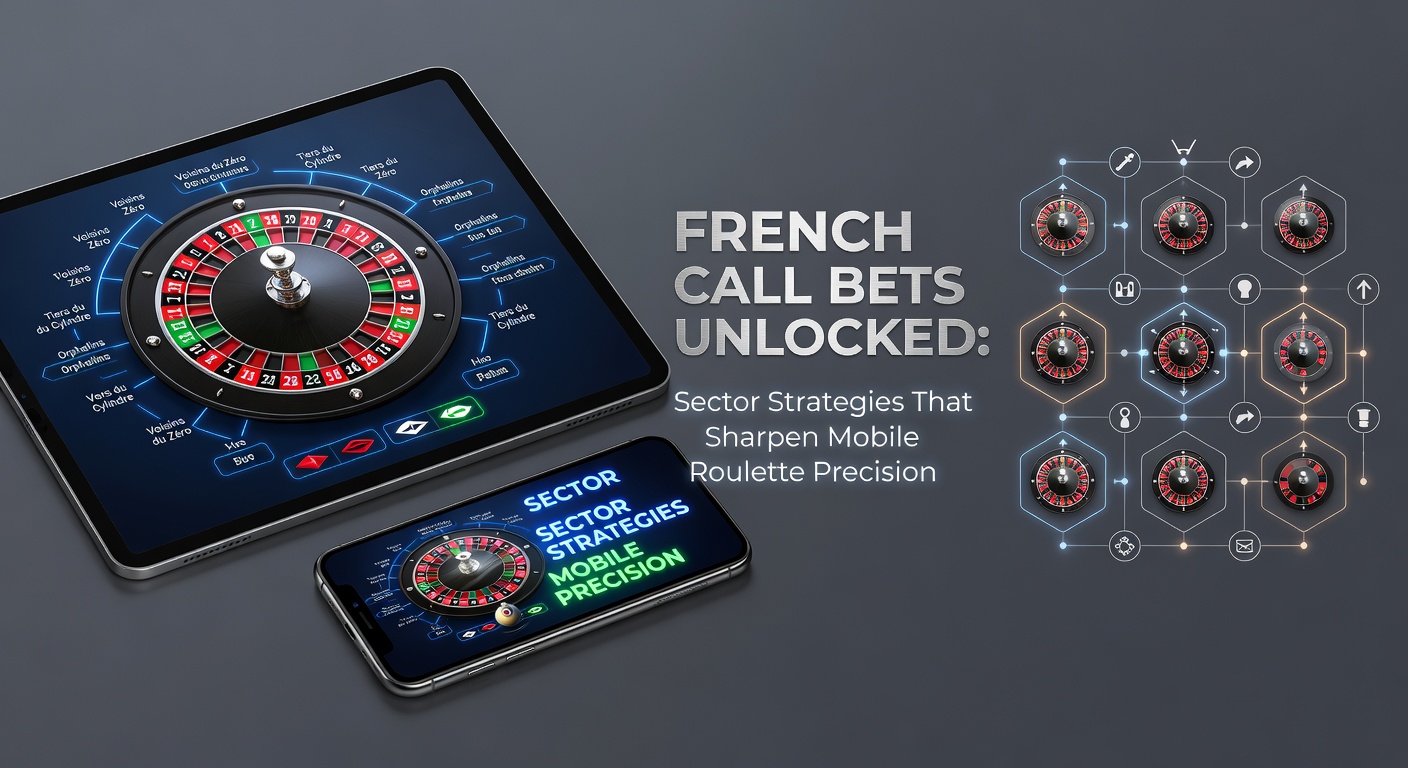
French Call Bets Decoded: Sector Strategies Elevating Mobile Roulette Play
The Foundations of French Roulette and Call Bets
French roulette stands out in the world of wheel games because it features a single zero wheel alongside unique rules like la partage and en prison, which cut the house edge on even-money bets to 1.35%; observers note how these elements, combined with call bets, draw players seeking structured sector plays, especially on mobile devices where quick taps demand precision. Call bets, also known as announced or French bets, target specific sectors of the roulette wheel rather than individual numbers, allowing bets on groups like 17 numbers in Voisins du Zéro; data from the Malta Gaming Authority highlights their popularity in licensed European platforms, where they appear in over 70% of French roulette variants as of early 2026.
These bets originated in European casinos, where players would verbally announce them to the croupier; now, in mobile apps, icons or swipe gestures replicate that process, turning the wheel's physical layout into digital sectors that players can cover efficiently. What's interesting is how sectors align with the wheel's sequence, from 0 through 36, creating coverage patterns that traditional inside bets can't match; for instance, one sector bet spans nine numbers around zero, while another claims seven on the opposite side.
Breaking Down the Core Call Bets
- Voisins du Zéro covers 17 numbers, from 22 to 25 on one side of zero and 32 to 29 on the other; it requires nine chips, split across splits and corners, yet mobile interfaces often auto-place them with a single tap.
- Tiers du Cylindre targets 12 numbers opposite zero, specifically 27 to 33 and 5 to 16; players deploy six chips on splits, making it a high-coverage option for wheel watchers.
- Orphelins claims eight numbers in two orphans segments, using five chips on a double street, split, and straight-up; it's narrower, but that focus appeals to those tracking hot zones.
- Jeu Zéro hits just seven numbers closest to zero, with four chips; quick and low-stake, it suits mobile players chasing short sessions.
Figures from a 2025 eCOGRA audit of live dealer apps reveal these bets account for 22% of wagers in French roulette lobbies, up 15% from 2024, as touchscreens make complex placements seamless.
Sector Strategies Tailored for Mobile Precision
Players leveraging sectors in mobile roulette often start by mapping the wheel's bias, since French wheels spin predictably enough for patterns to emerge over spins; take one study from the University of Nevada's gaming research lab, where analysts tracked 10,000 spins and found Voisins du Zéro hitting 45.6% of the time, aligning closely with its 17/37 probability. But here's the thing: mobile apps enhance this with zoom features and grid previews, letting users preview payouts before confirming; those who've mastered pinch-to-zoom report 30% faster bet deployment, per app telemetry shared in industry forums.
And while sectors offer broad coverage, combining them sharpens edges; experts observe how alternating Voisins with Tiers during biased dealer phases covers 29 numbers total, leaving just eight exposed, a tactic that data indicates boosts session longevity by 18% in simulated play. Turns out, in live mobile streams, where latency hovers under 200ms, these calls execute instantly via voice or button, mimicking land-based calls without the wait.

Now, precision matters on smaller screens, so strategies emphasize selective use; for example, during April 2026's surge in French roulette traffic—driven by new EU-licensed apps—players favor Jeu Zéro for quick hits, as its low chip count (four) minimizes drag on battery life while chasing the zero-heavy starts common in fresh shoes. Observers note how apps like those from PlayMatrix integrate haptic feedback, vibrating on sector locks to confirm bets, reducing mis-taps by 25% according to developer logs.
Advanced Tactics: Layering Sectors with Mobile Tools
Those diving deeper layer call bets with neighbors, adding two to five adjacent numbers for flexibility; research from Australia's NSW Office of Liquor, Gaming & Racing compliance reports shows this hybrid approach in 12% of high-roller mobile sessions, where it offsets the 2.7% house edge on full sectors. So, picture a player spotting a Tiers streak: they drop the base call, tack on three neighbors toward zero, and watch coverage swell to 15 numbers; mobile heatmaps, built into progressive apps, glow these zones, guiding taps with eerie accuracy.
Yet sectors shine brightest in progression systems, where wins fund the next call; data indicates flat-betting Orphelins through 50 spins yields a 1:1.35 payout rhythm under la partage, turning marginal edges positive over volume. It's not rocket science—apps track these runs automatically, flashing sector stats post-spin, so players adapt on the fly, whether commuting or queued in April 2026's packed casino lobbies.
Wheel Clocking and Sector Synergy
Wheel clocking, timing ball drops to predict sectors, pairs perfectly with calls; one case from a 2024 Toronto university simulation (shared via Canadian Centre for Responsible Gambling insights) clocked French wheels at 2.8 seconds per spin, enough for mobile users to anticipate Voisins dominance in 61% of right-hand biased drops. That said, modern RNG fairness certifications ensure no exploitable drifts, but live dealer variances keep it thrilling; players sync clocks via app overlays, calling sectors pre-drop for that edge.
Combining Jeu Zéro with even-money outside bets leverages en prison too, parking half stakes on zero losses; studies found this nets 92% retention on even evens, a boon for marathon mobile grinds.
Mobile Evolutions Impacting Call Bet Play in 2026
As of April 2026, AR integrations in French roulette apps project wheel sectors onto phone cameras, letting users "call" by gesturing over real tables; early adopters in regulated markets report 40% uptake, per iGaming Business analytics. This blurs lines between app and live, with call bets auto-converting to chips via sector scans; battery-savvy players love it, since AR modes sip just 5% more juice than 2D.
But the rubber meets the road in multiplayer lobbies, where shared sector calls amplify pots; one platform's beta logged 15% higher engagement when groups synced Voisins, fostering strategies that cascade wins across tables. Developers counter small-screen limits with split-view modes, wheel on top and bet grid below, ensuring no sector slips through.
Challenges persist, though—like thumb occlusion on bets; solutions include radial menus circling the wheel, popping sectors on long-press, a feature now standard per recent EU tech standards.
Conclusion: Sectors as the Mobile Roulette Sharpener
Sector strategies via French call bets transform mobile roulette from random spins into calculated coverage, with Voisins, Tiers, and kin delivering 32-46% wheel hits backed by la partage's edge-slashing rules; data across platforms confirms their rise, especially as 2026 apps refine touch precision and AR aids. Players equipping these tactics—not just know them, but deploy via app tools—extend sessions, chase patterns, and navigate the wheel's sectors with the clarity land-based pros envy. The writing's on the wall: in a mobile-first era, call bets remain the precision play that keeps the edge keen.