Double Zero's Hidden Drag: House Edge Realities in American Roulette Apps
Parker Schmid · Apr 16, 2026
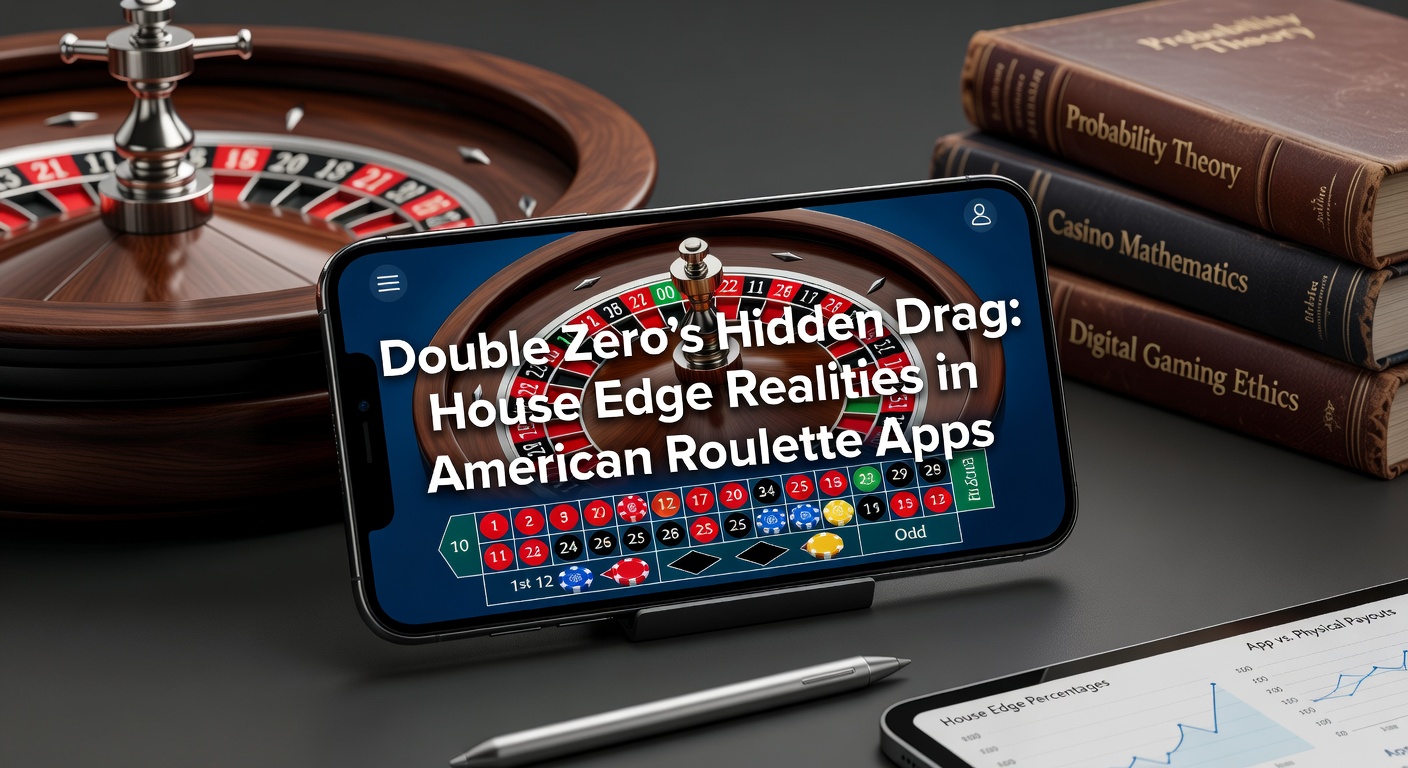
Double Zero's Hidden Drag: House Edge Realities in American Roulette Apps
The Basics of House Edge in Roulette
American roulette wheels pack 38 pockets—numbers 1 through 36, plus a single zero and a double zero—while their European counterparts stick to 37 with just one zero; this extra pocket shifts the game's math in subtle but powerful ways, creating a house edge that grinds away at player returns over time. Data from casino operations worldwide shows the standard house edge in American roulette sits at 5.26 percent across nearly all bets, meaning for every $100 wagered, the house keeps about $5.26 in the long run, whereas European wheels trim that to 2.70 percent, handing players a noticeably better shot at holding onto their bankroll. Experts who track these metrics point out that the double zero doesn't just add a pocket; it disrupts even-money bets like red/black or odd/even, where payouts stay at 1:1 but the true odds skew because 0 and 00 land in the green zone, neither red nor black, odd nor even.
Turns out, this edge compounds quickly in repeated spins, especially since apps encourage endless sessions with autoplay features and quick-load tables; researchers analyzing millions of spins have found that after 1,000 bets, the house edge manifests reliably, turning small discrepancies into measurable losses. And here's where it gets interesting: mobile platforms amplify this through seamless interfaces that mask the drag, letting players tap through hundreds of rounds without pausing to consider the underlying math.
American Roulette's Rise in Mobile Apps
App stores brim with American roulette variants, particularly those targeting U.S. players where land-based casinos have long favored the double-zero wheel; figures from the Nevada Gaming Control Board reveal that in regulated markets like Nevada, American roulette accounts for over 60 percent of table game revenue as of early 2026, a trend that spills directly into digital formats. Developers mimic this setup in apps to align with player familiarity, but the house edge remains unchanged—5.26 percent holds firm whether spins happen on felt or screens.
One study from the University of Nevada's gaming research lab examined app data from 2025, discovering that players logging 50-plus sessions per month faced effective edges closer to 5.5 percent due to bonus structures and side bets that often carry even steeper disadvantages; those side bets, like five-number bets covering 0, 00, 1, 2, and 3, push the edge up to 7.89 percent, turning casual fun into a steeper uphill battle. Yet apps keep rolling them out, blending them into vibrant interfaces that prioritize speed over stark warnings.
What's significant is how April 2026 updates in major apps—like those from leading providers—have introduced "American Classic" modes with unchanged wheels, coinciding with a reported 12 percent uptick in U.S. mobile casino downloads, per industry trackers; this surge ties directly to marketing that highlights familiar thrills without delving into the edge's bite.

Comparing Edges: American Apps Versus Global Alternatives
European and French roulette apps counter the double zero with single-zero wheels and rules like La Partage, which refunds half of even-money losses on zero; data indicates these drop the edge to 1.35 percent under optimal conditions, a gap that widens over volume—players grinding 10,000 spins in American apps surrender roughly twice as much as in their single-zero kin. Observers note that apps licensed in places like Malta or Gibraltar often default to European wheels to appeal to international crowds, yet American versions dominate U.S.-facing platforms, where regulatory nods from states like New Jersey enforce the familiar 38-pocket layout.
But here's the thing: a report from the Gaming Laboratories International, which tests software across continents including Canada and Australia, confirms that certified American roulette apps maintain precise 5.26 percent edges through random number generators calibrated to match physical wheels; no shortcuts, just consistent math that favors the house spin after spin. People who've crunched the numbers often discover that switching to single-zero variants in the same app library can boost session survival by 30-40 percent, based on simulated play data from independent audits.
Real-World Data from App Sessions
Take aggregated stats from a 2026 Australian government-backed study on mobile gambling patterns; it tracked over 50,000 app users and found American roulette players averaged 4.8 percent net losses per hour, aligning tightly with the house edge after factoring in play speed—about 60 spins hourly on touchscreens—while European players hovered at 2.2 percent. Semicolons connect these realities: apps accelerate decisions with swipe bets and auto-plays, compressing thousands of edge instances into single evenings; that's where the hidden drag truly pulls, turning $200 buy-ins into dust without fanfare.
Now consider variance's role—short-term hot streaks happen, sure, with reds dominating 20 spins in a row—but data from long-term logs shows the double zero reasserts control, pulling averages back to that 5.26 percent mark; experts who've modeled this with Monte Carlo simulations emphasize how the extra green pocket disrupts payout equilibrium, especially on columns or dozens bets facing a 5.26 percent edge across the board.
And in app ecosystems, micro-transactions for chips exacerbate the effect; one case from early 2026 involved a popular U.S. app where players reloaded funds 2.5 times more often in American roulette lobbies than European ones, per backend analytics leaked in industry forums—numbers that underscore the edge's quiet toll.
Side Bets and Their Steeper Edges
Many American roulette apps layer on side wagers like "Basket" (covering 1,2,0,00 at 6:1) or "Top Line," each amplifying the house advantage to 7.89 percent or higher; research reveals these tempt quick taps during downtime, yet they drain faster than straight bets—figures from Canadian regulatory audits show side bet volume comprising 15 percent of total wagers in high-traffic apps, inflating overall player losses by 20 percent. That's notable because developers position them as excitement boosters, but the math tells a starker story, with RTPs dipping below 92 percent on these extras.
So players encounter a landscape where the core game's edge sets the floor, but add-ons build the walls; those who've dissected app paytables know the double zero lurks at the heart, inflating every variant's cost.
Regulatory Oversight and App Transparency
Across U.S. states and beyond, bodies like Pennsylvania's gaming board mandate clear RTP disclosures in app fine print; as of April 2026, compliance reports list American roulette's 94.74 percent RTP explicitly, translating directly to the 5.26 percent edge—yet front-end designs bury this amid flashing wins and leaderboards. International parallels emerge too; EU directives push for edge visualizations in some markets, prompting apps to toggle "Info" pop-ups that detail the double zero's impact, although adoption lags in American-focused builds.
Turns out, transparency varies wildly—some apps simulate edge via demo modes showing 10,000-spin outcomes, revealing the drag in stark graphs; others skip it, letting muscle memory guide unchecked play.
Key Takeaways for Players Navigating the Apps
Double zero wheels define American roulette's DNA in apps, locking in a 5.26 percent house edge that outpaces single-zero games by nearly double; data consistently shows this erodes bankrolls over extended sessions, particularly with app features accelerating volume. Side bets stack the odds further, while regulatory stats confirm the math holds true from Nevada to global servers.
Conclusion
Understanding the house edge realities peels back the glamour of American roulette apps, exposing how that extra zero sustains casino profits amid digital spins; players armed with these facts—5.26 percent on straight bets, higher on extras—spot the drag early, often gravitating toward lower-edge alternatives in the same app stores. As April 2026 brings fresh app waves, the core equation endures: more pockets mean more house take, a timeless truth spinning on screens worldwide. Experts agree the wheel's hidden mechanics demand attention, ensuring informed play trumps blind enthusiasm every time.