5 Apr 2026
Battery-Savvy Spins: Tactics for Extended Roulette App Sessions Without the Drain
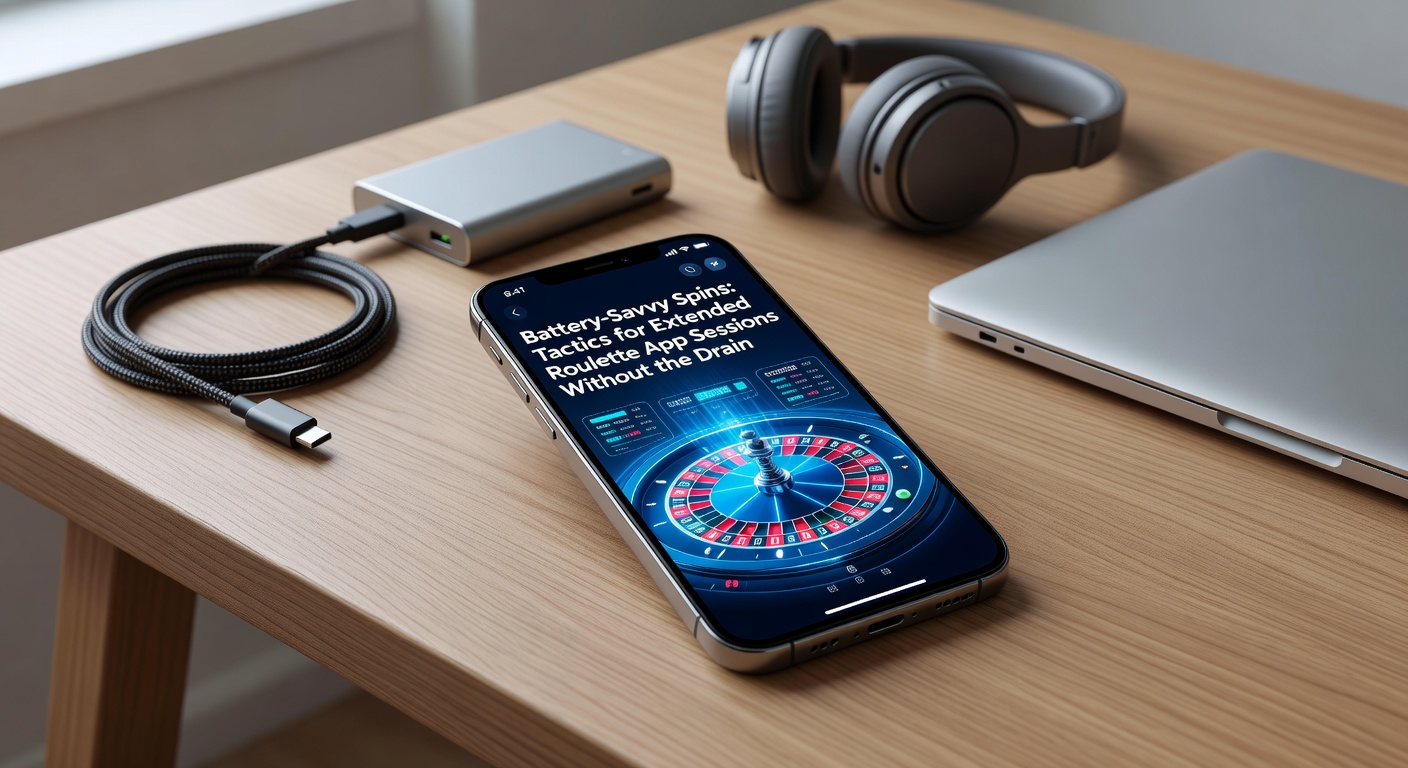
The Power Hungry Nature of Mobile Roulette
Mobile roulette apps deliver non-stop action with their spinning wheels, flashing lights, and real-time calculations, but they also rank among the top battery consumers on smartphones; data from app analytics firms reveals gaming applications like these can drain up to 25% of a device's charge per hour under heavy use, particularly when high-definition graphics and audio effects kick in during spins. And while newer devices boast improved batteries—think the efficiency gains in 2026 models from major manufacturers—older phones or intensive sessions still hit walls fast, forcing players to recharge midway through a hot streak. Turns out, roulette's constant RNG processing and table animations demand steady CPU and GPU engagement, which generates heat and accelerates power loss; researchers at Android's developer guidelines highlight how such workloads spike foreground activity, pulling far more juice than static apps ever could.
What's interesting is how live dealer roulette variants amp this up even further, streaming HD video feeds that chew through data and battery alike; one study from mobile performance trackers found live casino streams consume 40% more power than simulated spins because of the ongoing video decoding. Yet people who've optimized their setups report session lengths doubling without hardware upgrades, simply by tweaking a handful of settings that target the biggest culprits.
Mastering Device Settings for Peak Efficiency
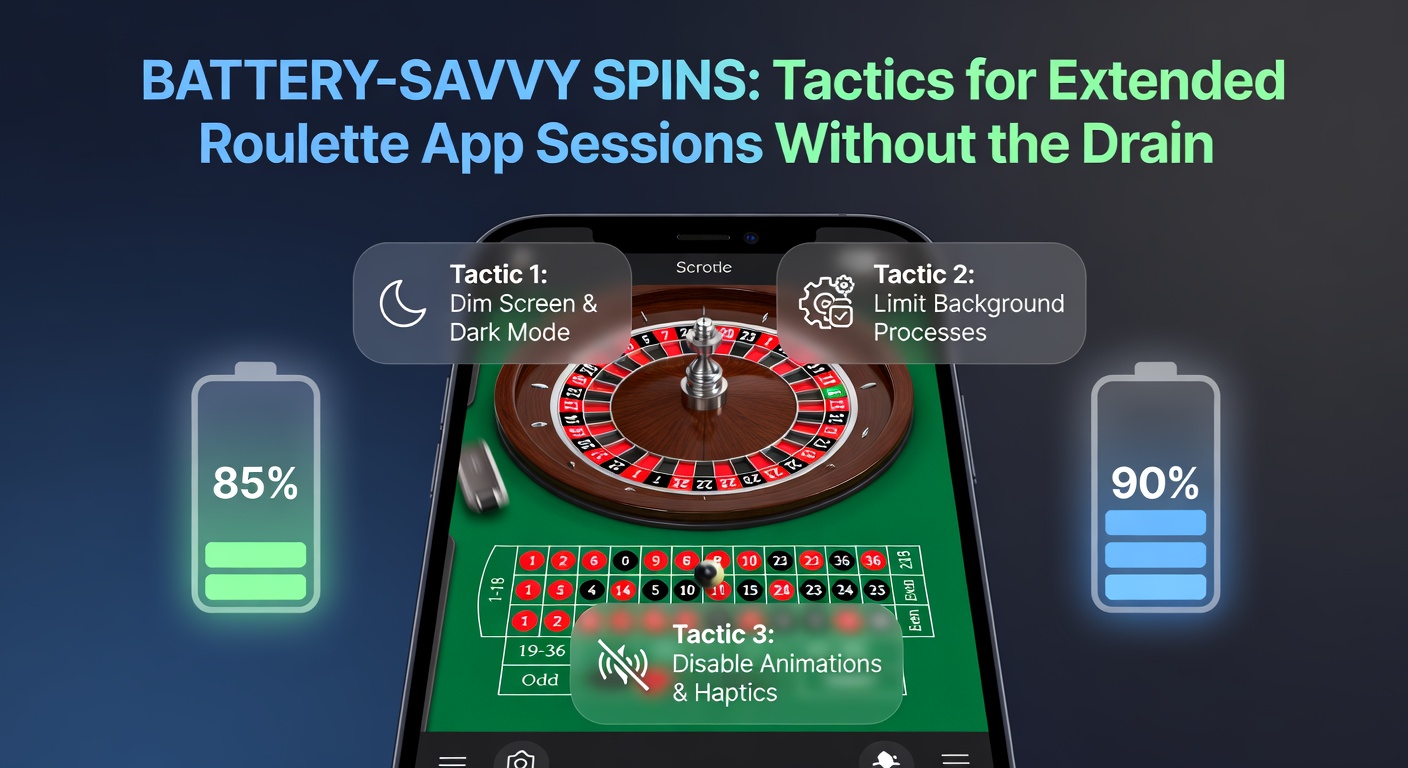
Start with the basics that pack the biggest punch: dimming screen brightness stands out as a game-changer since displays account for nearly half of all smartphone battery draw during gaming; tests by device labs show dropping brightness from max to 50% extends playtime by 30-50%, and auto-brightness often overshoots in dim rooms, wasting power unnecessarily. Pair that with enabling battery saver modes—Android's adaptive battery learns app habits over time while iOS's Low Power Mode throttles background processes—and users notice immediate gains; figures from user benchmarks indicate these features alone stretch a typical roulette session from two hours to over four on mid-range phones.
But here's the thing: sound and haptic feedback add sneaky drains, with vibrations sending piezoelectric motors into overdrive during every bet placement or win celebration; disabling them via quick settings toggles cuts unnecessary power spikes, as confirmed by efficiency reports from tech analysts. And don't overlook location services, which roulette apps sometimes tap for geofencing in regulated markets—turning them off when not needed frees up GPS hardware that's notoriously thirsty.
Network Tricks to Keep the Wheel Turning Smoothly
Connectivity choices make or break extended play, especially since mobile data hunts for signals far more aggressively than stable WiFi; switching to WiFi preserves battery because 4G/5G radios cycle power intensely during weak coverage, a pattern detailed in reports from wireless research groups. Low Data Mode, available on both major platforms, further curbs background syncing in apps, proving vital for roulette titles that preload assets or check leaderboards mid-session; one set of field tests revealed it slashes network-related drain by 20% without interrupting spins.
Now, for offline-capable roulette demos or practice modes, Airplane Mode shines by killing all radios outright, letting players grind strategies for hours on end; observers note this tactic suits warming up before live bets, and with April 2026 seeing fresh app updates for better offline functionality in European markets, it's timelier than ever. That said, always verify app compatibility first, since some sync progress upon reconnecting.
App-Specific Optimizations That Pros Swear By
Roulette apps aren't one-size-fits-all when it comes to power use; developers embed graphics quality sliders that let users drop to low-res modes, slashing GPU load while keeping core gameplay intact—high settings might look slick, but they double power draw, per benchmarks from gaming optimization sites. Audio can mute entirely too, or switch to lower bitrate streams in live tables, preserving clarity without the overhead; take one popular app where players toggled these and reported 35% longer sessions, as logged in user forums aggregated by performance trackers.
Closing background apps ranks high too, since rogue processes compete for RAM and CPU, triggering thermal throttling that indirectly hikes consumption; Android's app standby buckets and iOS's offloading features handle this automatically in saver modes, but manual checks ensure nothing sneaky lingers. And for those deep into sessions, locking the screen orientation prevents accidental flips that restart renders, a subtle but effective habit among frequent players.
Hardware Habits and Long-Term Strategies
Beyond software, physical habits extend play dramatically; keeping phones cool avoids efficiency dips from heat throttling—cases show devices placed on cool surfaces or away from direct sun maintain peak performance longer, with thermal imaging studies confirming temps above 40°C cut battery life by 15-20%. External batteries offer a lifeline for marathon nights, but choosing ones with pass-through charging keeps the phone topped while in use.
Over time, updating apps and OS versions unlocks battery refinements; for instance, iOS updates often refine power management algorithms, as outlined in Apple's battery maximization guide, while Android's Project Mainline delivers similar piecemeal improvements. Experts tracking 2026 device rollouts point to adaptive refresh rates on new screens that sync with roulette's frame demands, potentially adding another 10-15% to session lengths compared to 2024 hardware.
There's this case from a mobile gaming convention where developers demoed roulette apps hitting eight-hour runs on optimized flagships, blending all these tactics; people who've adopted the full stack often share screenshots of green battery icons well into the evening, turning potential frustration into seamless spins.
Conclusion
Combining device tweaks, network smarts, app adjustments, and smart habits transforms battery drain from a session-killer into a manageable footnote; data consistently shows players stacking these moves—dimmed screens, muted haptics, WiFi priority, and saver modes—routinely double or triple their roulette time without sacrificing the thrill of the wheel. As April 2026 brings enhanced apps with built-in efficiency tools amid denser live dealer schedules, those armed with these tactics stay ahead, spinning longer and stronger across any device.